
Cultivator
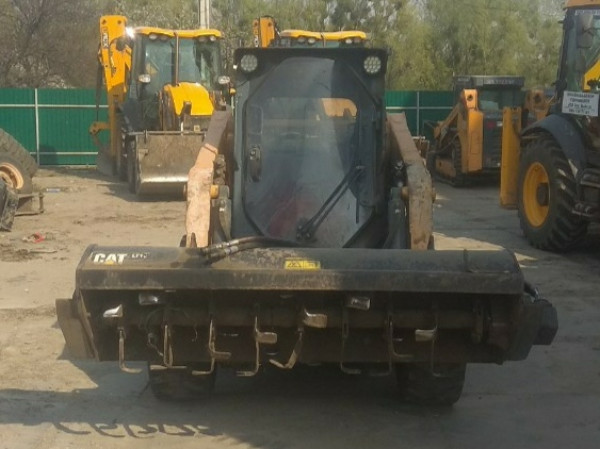
Cultivator CAT (LT18B)
- Weight (kg) 3600
- Width (m) 2.19
- Working width (m) 1.86
Cultivator CAT (LT18B) (16 hours)
- Weight (kg) 3600
- Width (m) 2.19
- Working width (m) 1.86
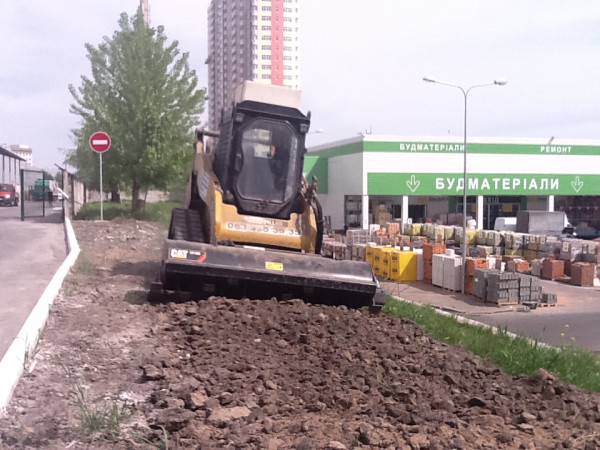
Crawler cultivator CAT LT18B
- Weight (kg) 3600
- Width (m) 2.19
- Working width (m) 1.86
Crawler cultivator CAT LT18B (16 hours)
- Weight (kg) 3600
- Width (m) 2.19
- Working width (m) 1.86
Half-shift Cultivator CAT (LT18B) (4 hours)
- Weight (kg) 3600
- Width (m) 2.19
- Working width (m) 1.86
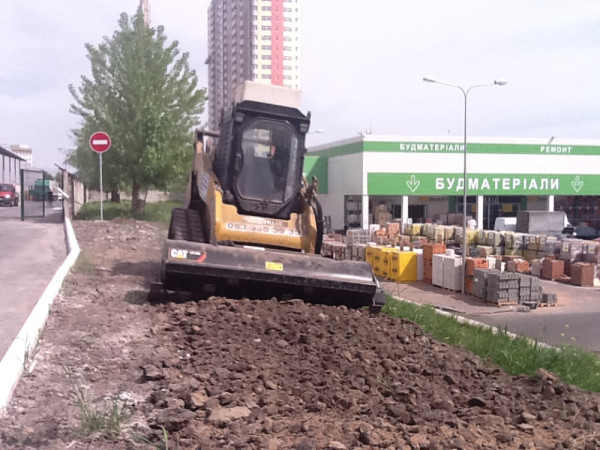
Crawler cultivator CAT LT18B (24 hours)
- Weight (kg) 3600
- Width (m) 2.19
- Working width (m) 1.86
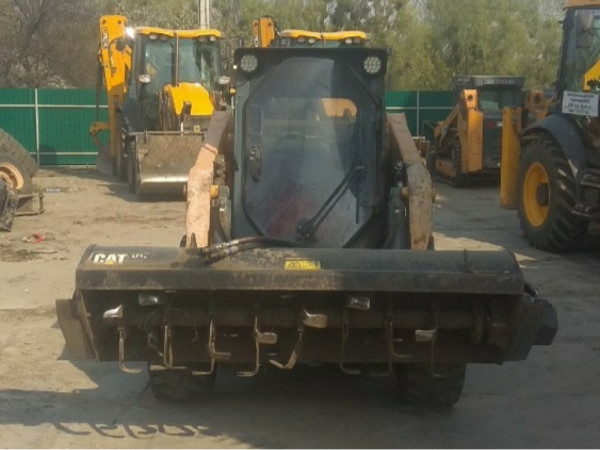
Cultivator CAT LT18B (24 hours)
- Weight (kg) 3600
- Width (m) 2.19
- Working width (m) 1.86
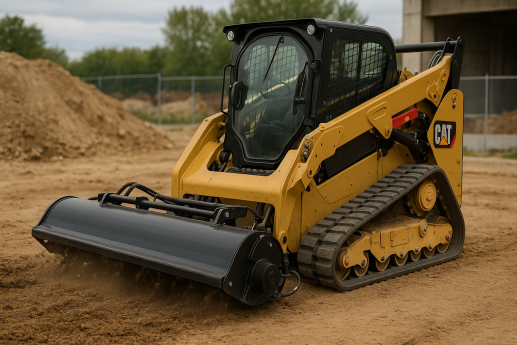
A cultivator is a specialized piece of equipment widely used for soil cultivation. Renting it in Kyiv and the region allows for a variety of tasks to be performed in preparation for landscaping or site improvement. Renting a cultivator is a cost-effective solution for those looking to save time and effort during earthworks.
Renting a Cultivator in Kyiv
Renting a cultivator in Kyiv is a popular service that enables quick and efficient land preparation for various types of work. Choosing a cultivator for rent significantly reduces the amount of manual labor and increases process productivity. As a result, renting a cultivator becomes an indispensable solution for both private and commercial clients in Kyiv and the region.
For What Tasks is a Cultivator Used
Cultivators are actively used for earthworks, construction, landscaping, and demolition. Specifically, they are used for:
- Preparing soil for landscaping and grass seeding.
- Land reclamation after accidental spills.
- Digging plots to reduce the risk of fires.
Available Models
The market offers various models of cultivators that differ in design type and purpose. The main types of equipment in this category include:
- Single-shaft cultivators — suitable for standard soil cultivation.
- Two-shaft motor cultivators — provide more intensive soil cultivation.
- Tractor or mini-loader-based cultivators — used for more complex tasks on large areas.
How to Choose the Right Equipment
The choice of cultivator depends on the specifics of the work you plan to perform. Consider the area size, soil type, and required cultivation depth. For small plots, lightweight single-shaft models are suitable, while for larger volumes of work, motor cultivators or tractor-based equipment are preferable.
What Affects the Rental Price
The rental price of a cultivator depends on several factors, such as the equipment model, rental duration, and work complexity. Generally, long-term rentals are more economical as they reduce the cost per working day. Prices can also vary depending on chassis type and the availability of additional equipment.
Why Choose Zemlogistika
By ordering a cultivator rental from Zemlogistika, you gain several advantages:
- A wide selection of equipment models for different tasks.
- Quality service and regular technical condition checks.
- Experienced operators ensuring safe and efficient work execution.
- Flexible rental terms and the possibility of long-term cooperation.
- Prompt delivery of equipment to the site in Kyiv and the region.
Advantages of Using a Cultivator
Cultivators offer several advantages, making them an essential tool in agriculture and construction:
- Efficiency: Cultivators quickly process large areas, significantly reducing time and labor costs.
- Versatility: Suitable for different soil types and working conditions, ensuring high-quality processing.
- Cost Reduction: Renting eliminates the need to purchase expensive equipment, reducing financial expenses.
- Eco-friendliness: Modern cultivator models have low emission levels, making them environmentally safe.
Technical Specifications of Cultivators
Cultivators have various technical specifications that should be considered when selecting a model:
- Engine Power: This parameter affects the cultivator's ability to process deeper soil layers.
- Working Width: Determines how much land is processed in one pass.
- Depth of Cultivation: The maximum depth the cultivator can reach.
- Drive Type: Can be gasoline, diesel, or electric, affecting eco-friendliness and economy.
How to Prepare a Site for Cultivator Work
Proper site preparation is a key step before starting work with a cultivator:
- Clear the area of stones, large branches, and other obstacles that may damage the equipment.
- Moisten the soil if it's too dry to facilitate processing.
- Mark the site boundaries to avoid unwanted damage to adjacent areas.
- Ensure all necessary tools and materials are at hand.
Cost of Maintaining Rented Equipment
When renting a cultivator, it is important to consider not only the initial rental cost but also maintenance expenses:
- Technical Inspection: Regular maintenance ensures uninterrupted equipment operation.
- Refueling: Fuel costs can significantly impact overall expenses.
- Spare Parts Replacement: Intensive use may require the replacement of consumables.
- Insurance: Some companies offer insurance options for rented equipment.
Advantages of Renting from a Professional Company
Renting a cultivator from a professional company like Zemlogistika offers several benefits:
- Reliability: You receive equipment that is regularly serviced and checked for functionality.
- Expert Consultations: Specialists help choose the right model for your tasks.
- Flexible Terms: The possibility of renting for different periods, from one day to several months.
- Service Support: In case of breakdown, you can always rely on a quick equipment replacement.